In the sunny and sea-breezy West African land of Ghana, there is a little-known but significant castle, Fort St. Jago. This castle is not only a dusty colonial past, but also a hidden gem in the hearts of history lovers and travel explorers. It stands silently on the coastline, overlooking the busy port of Elmina, and echoing with the magnificent Elmina Castle not far away, as if silently telling the complex and long history of Ghana. If Elmina Castle is the most dazzling star on the Ghanaian coastline, then Fort St. Jago is more like a quiet and profound historian, waiting for those who truly understand its value to visit. For those travelers who are keen on history and like to dig up unpopular relics, this is definitely the only choice for the "Ghana Must-visit List".
Advertisement
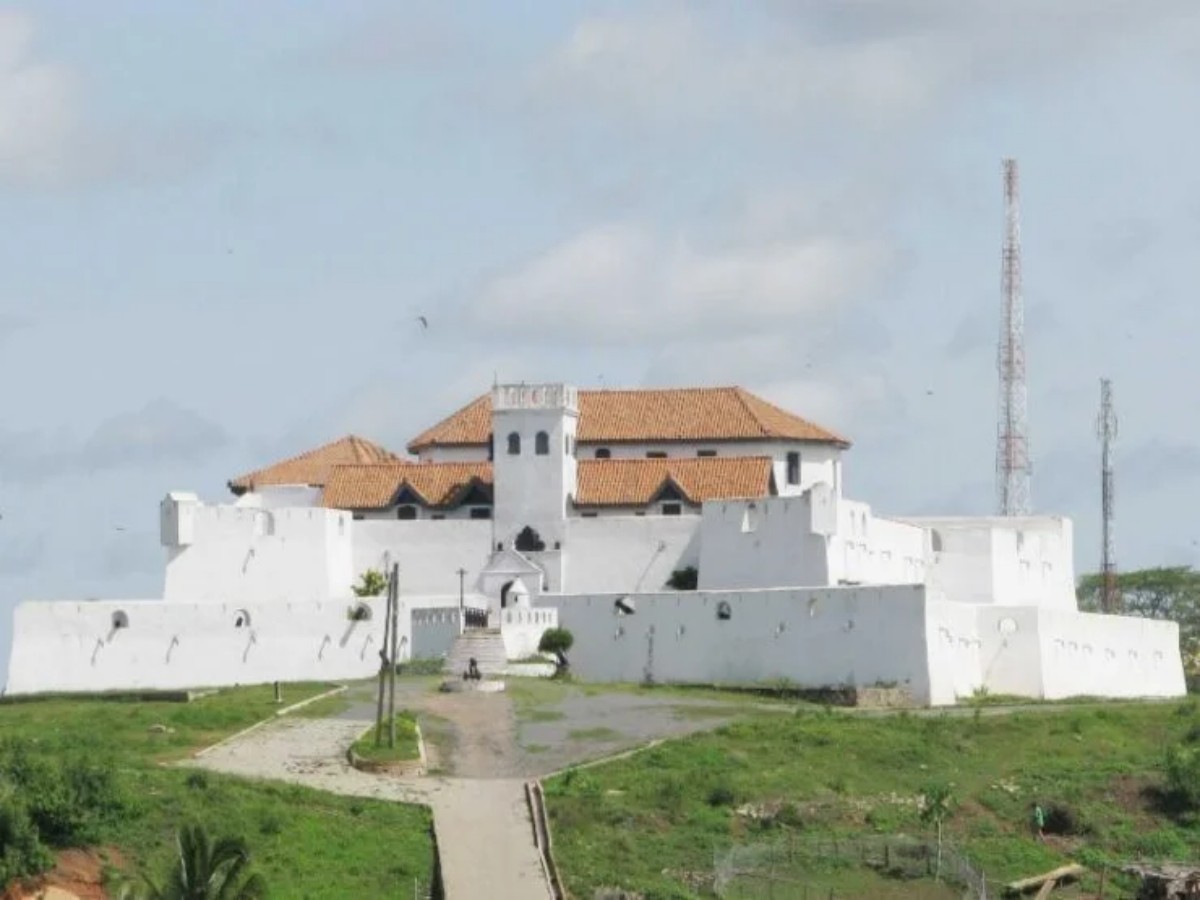
Fort St. Jago, also known as Fort Conraadsburg, was built in 1666 by the Dutch after they captured the Portuguese-controlled Elmina Castle. Its location is strategically located on a small hill, overlooking the entire Elmina town and coastline, becoming an important military stronghold to protect this colonial stronghold.
Advertisement
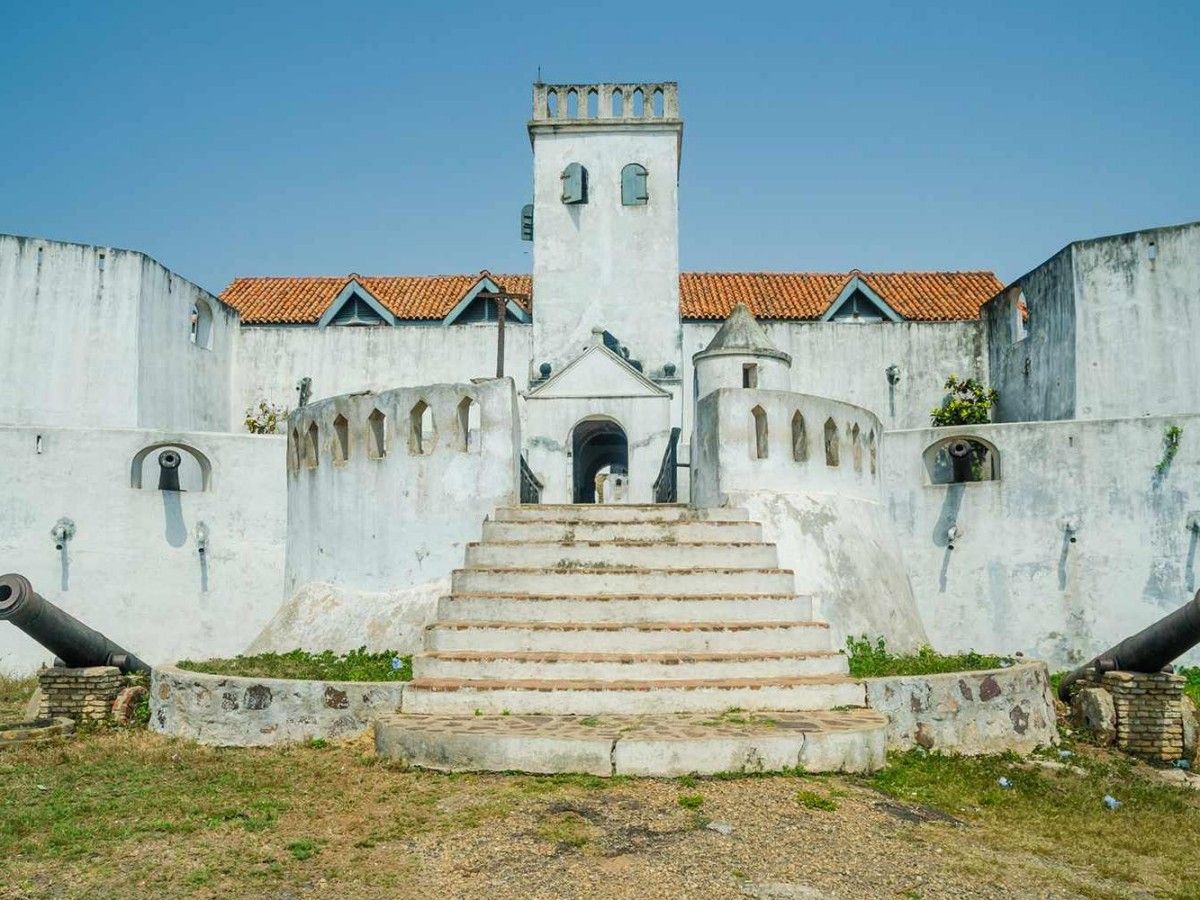
Unlike the heavy trade background and slave history of Elmina Castle, Fort St. Jago is more of a military defense function. Its high ground advantage allows the garrison to detect the enemy fleet in advance, becoming an important guarantee for the Dutch to gain a foothold here. You stand at the highest point of the fortress, facing the monsoon with the smell of the sea, and you seem to hear the clanging echoes of the boots of the ancient soldiers stepping on the stone slabs when they patrol.
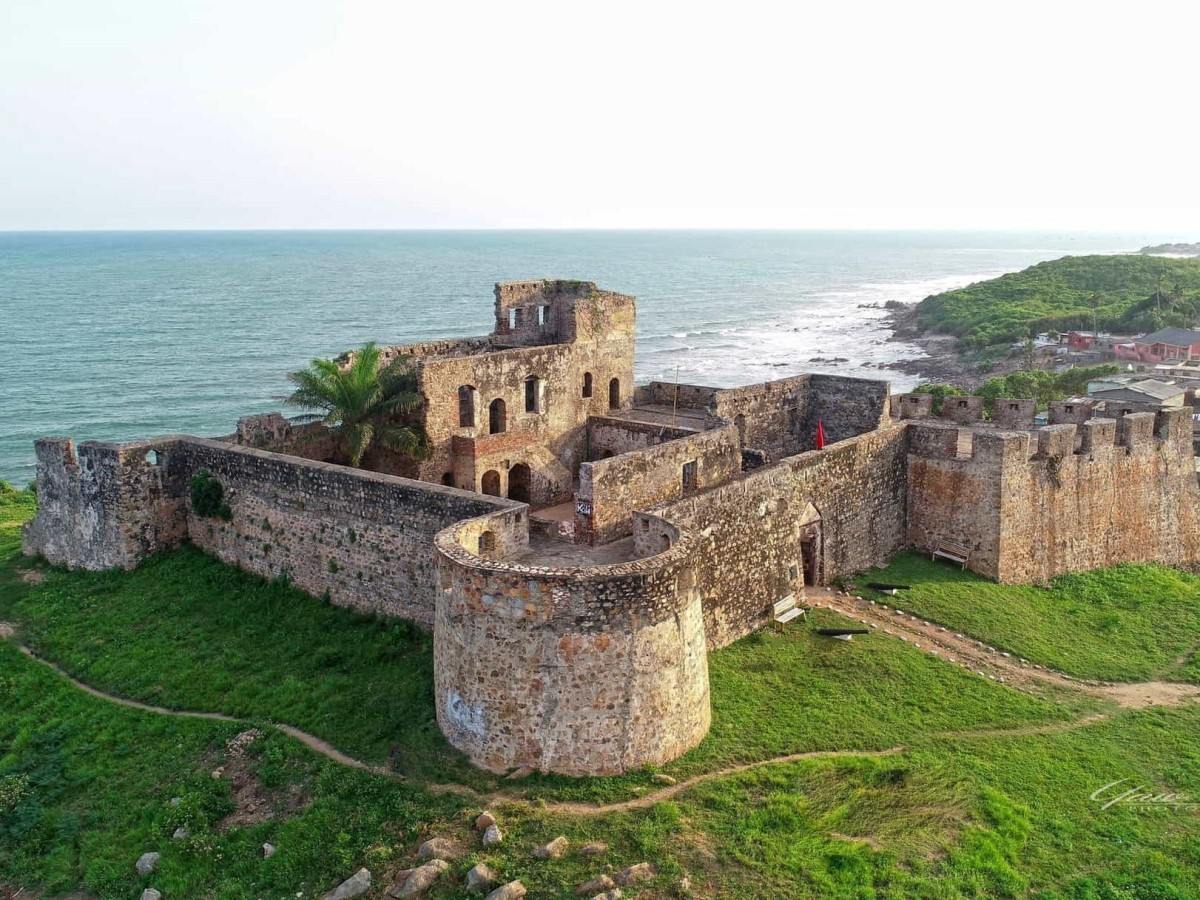
Although the years have made the walls of the fortress mottled and peeling, the solid stone walls and quaint artillery still quietly tell of its former glory and tension.
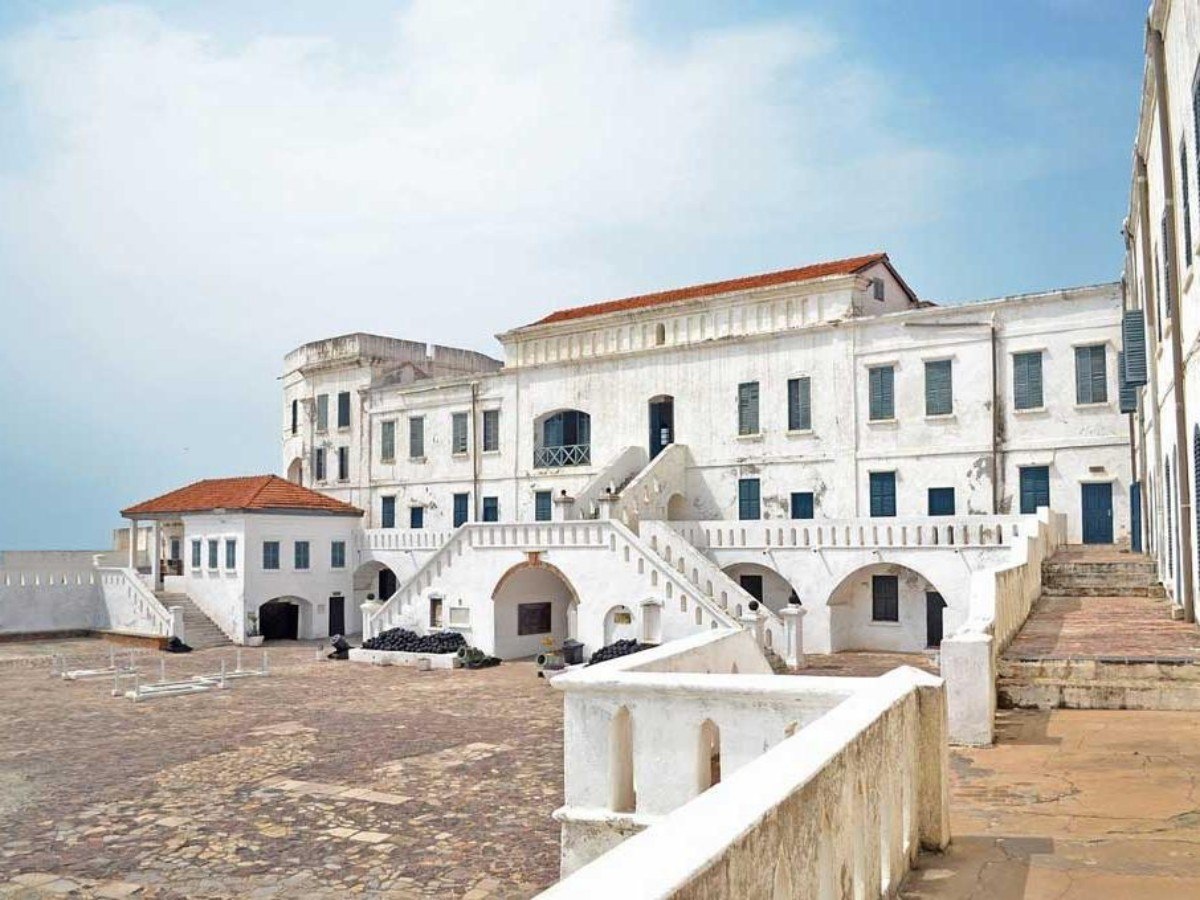
Standing at Fort St. Jago and looking down, the most shocking thing is the Elmina Castle across the sea from it. This is one of the oldest European buildings on the African continent. It was built in 1482 and has experienced the succession of colonial powers such as Portugal, the Netherlands, and Britain. Unlike Fort St. Jago, the name of Elmina Castle has long been famous for the dark history of the slave trade.
Advertisement
The two castles are both geographical watch and historical dialogue-one represents the struggle for economic interests, and the other is a symbol of military control. Walking into Fort St. Jago is not only walking into a military history of Dutch colonization, but also experiencing a real interpretation of the struggle between Eastern and Western forces in Africa.
For friends who like in-depth historical tours, this experience of "standing in one castle and looking back at another castle" is a unique contemplation and shock.
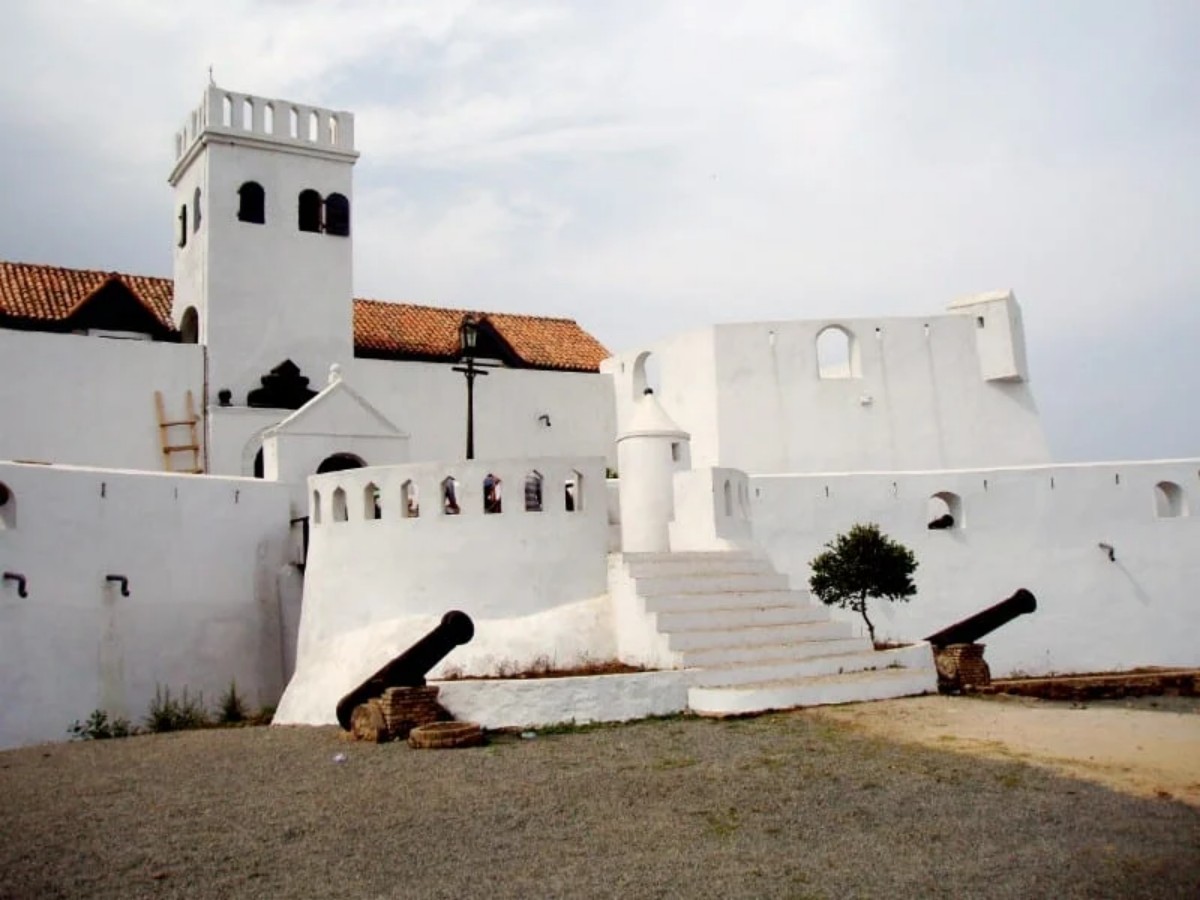
Although the architectural style of Fort St. Jago is not as complicated and gorgeous as other European castles, it is very distinctive. It adopts the typical simple military architectural style of the Dutch colonial period, focusing on practicality. Thick stone walls, neatly arranged gun turrets, mottled arches, and steep winding stone steps... Every step on it is a collision with the past time and space.
You can see several well-preserved observation decks. Standing on them, the sea breeze blows on your face, and the view is extremely wide, and you can see the whole town of Elmina. Especially in the evening, the setting sun shines on the dilapidated stone walls and gun muzzles, and time seems to stop at that moment, making people involuntarily fall into the reverie of the long river of history.
In addition, there is a small church site in the fort. It is said that it was used by Dutch soldiers to pray. Although it is dilapidated, you can vaguely feel the traces of the colonists trying to bring faith to this land.
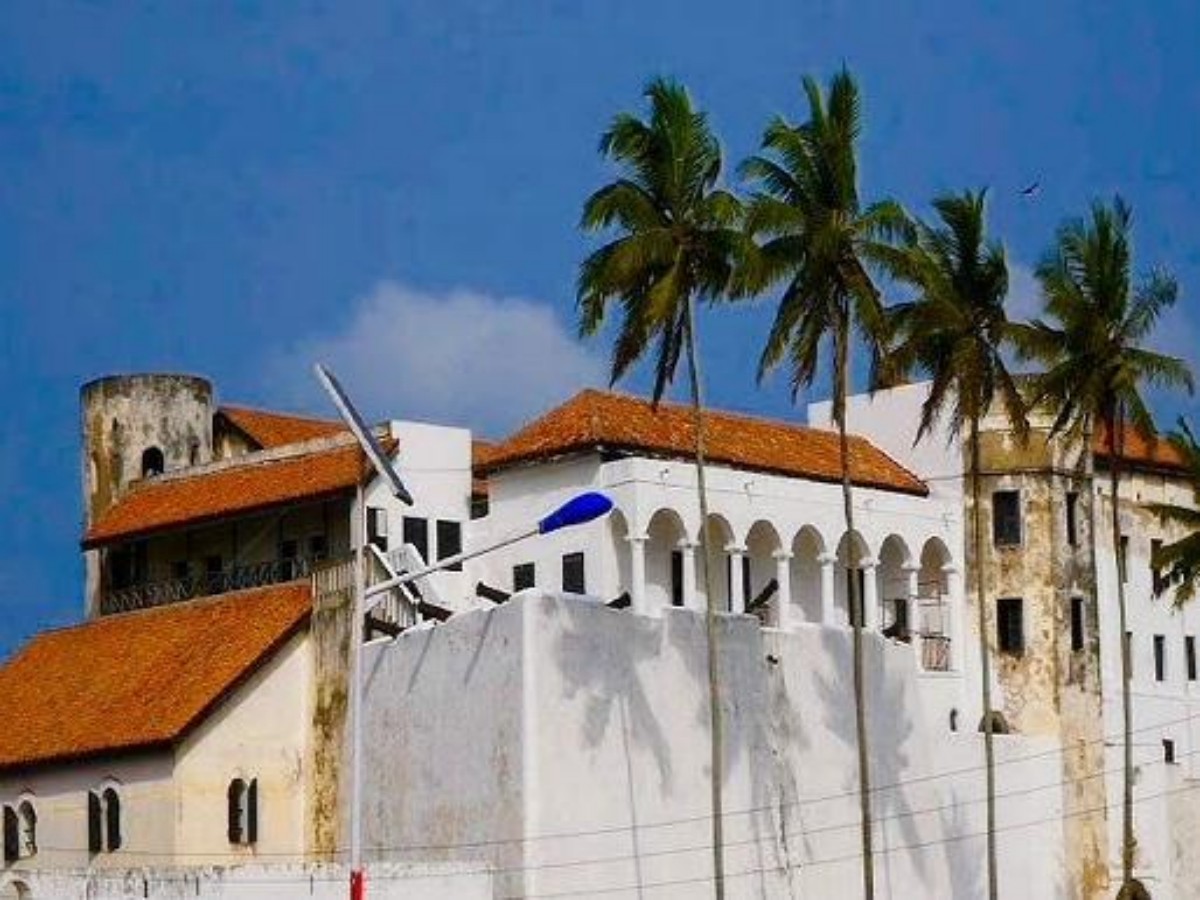
Unlike the quick glance of ordinary tourist attractions, Fort St. Jago gives people an immersive historical experience. There are few tourists here, and there is little noise. There is more of a solemn atmosphere in silence. You can walk slowly on the city wall, or sit on a stone step and quietly feel the mark of time passing.
It is recommended to bring a historical document of the Ghana coast and read it while walking. You will be surprised at the high degree of fit between the text and the scene in front of you - as if history has never gone far, but just exists in a different way on this land.
If you are interested in Ghana's slave trade history and colonial history, Fort St. Jago is a place you must visit in person. It has not been over-commercialized and retains the original appearance and tranquility of the ruins. It is a paradise for travelers who truly love history and like to explore.
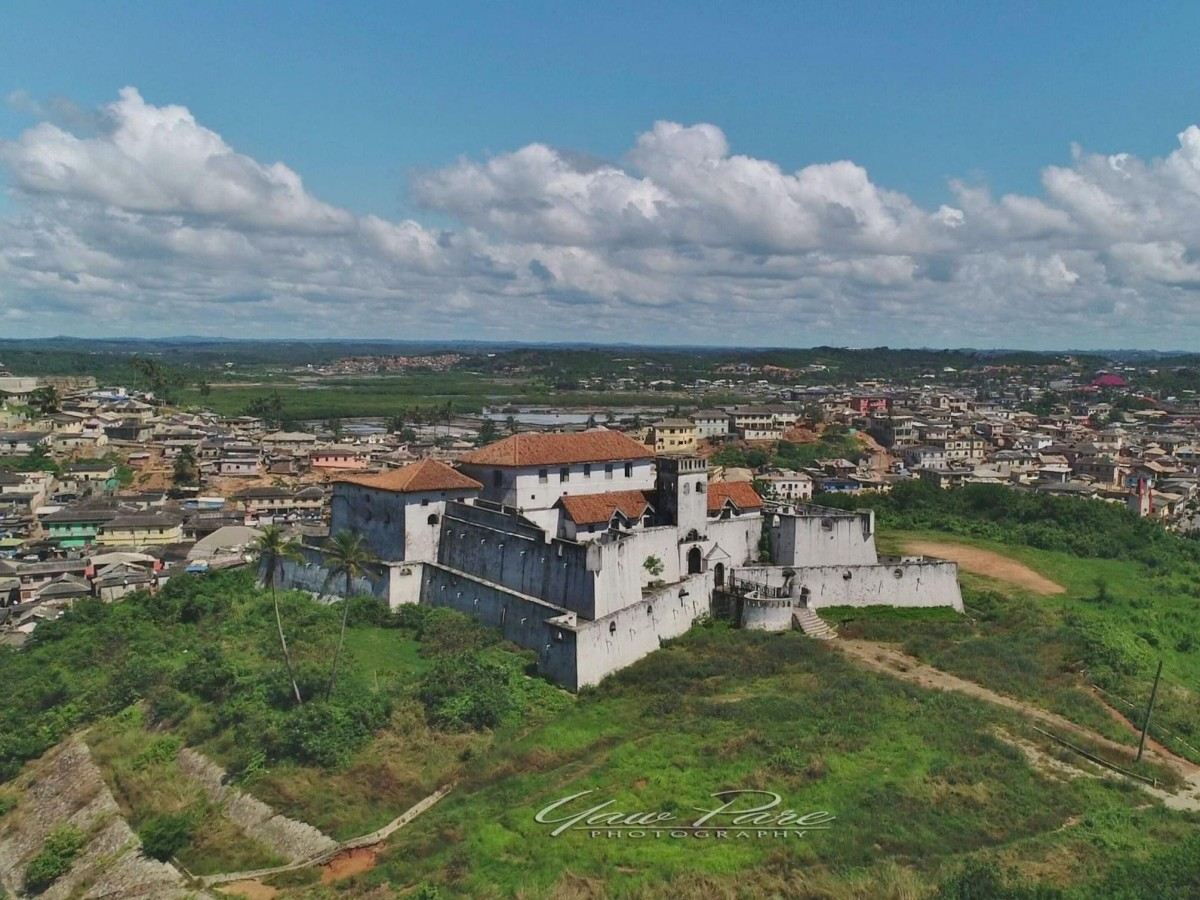
1. Transportation: Fort St. Jago is located in the town of Elmina on the central coast of Ghana, not far from Cape Coast. You can take a taxi or a local minibus from Cape Coast, which takes about 20 minutes.
2. Tickets and guided tours: The ticket price of the castle is affordable, and English explanation services are also provided locally. It is highly recommended to hire a local guide, who will tell you many interesting stories that are not written in the documents.
3. Best time to visit: It is recommended to visit in the morning or evening to avoid the midday heat, and at the same time enjoy the charming sunrise or sunset on the coastline.
4. Package tour: After visiting Fort St. Jago, you may wish to visit Elmina Castle and Cape Coast Castle on the way, so that you can have a more complete understanding of the colonial history of Ghana's "Gold Coast".
A journey of looking back at the soul Exploring Fort St. Jago is not just a scenic journey, but also a journey of looking back at the soul. It reminds us of the joys and sorrows that have happened on this beautiful coastline and the light and darkness in human history. For those who really love history, Fort St. Jago is by no means a simple castle. It is an open history book, a silent but shocking memory, and one of the most profound and soulful relics on the Ghanaian coastline. If you don't just want to take pictures and check in during your trip, but want to truly understand a city, a history, and a culture, then - Fort St. Jago, waiting for you to explore.