
Advertisement
As you walk along the lush green path in Santa Clara, the ground beneath your feet is not paved with cobblestones or marble, but rather sections of rusted railway tracks. Several old armored train cars lie quietly on the grass, some cracked open, others still intact, but each one seems to carry a metaphorical meaning, reminding people that this place once changed the fate of a nation. This is one of the most symbolic battle sites of the Cuban Revolution—the Armored Train Monument.
Advertisement
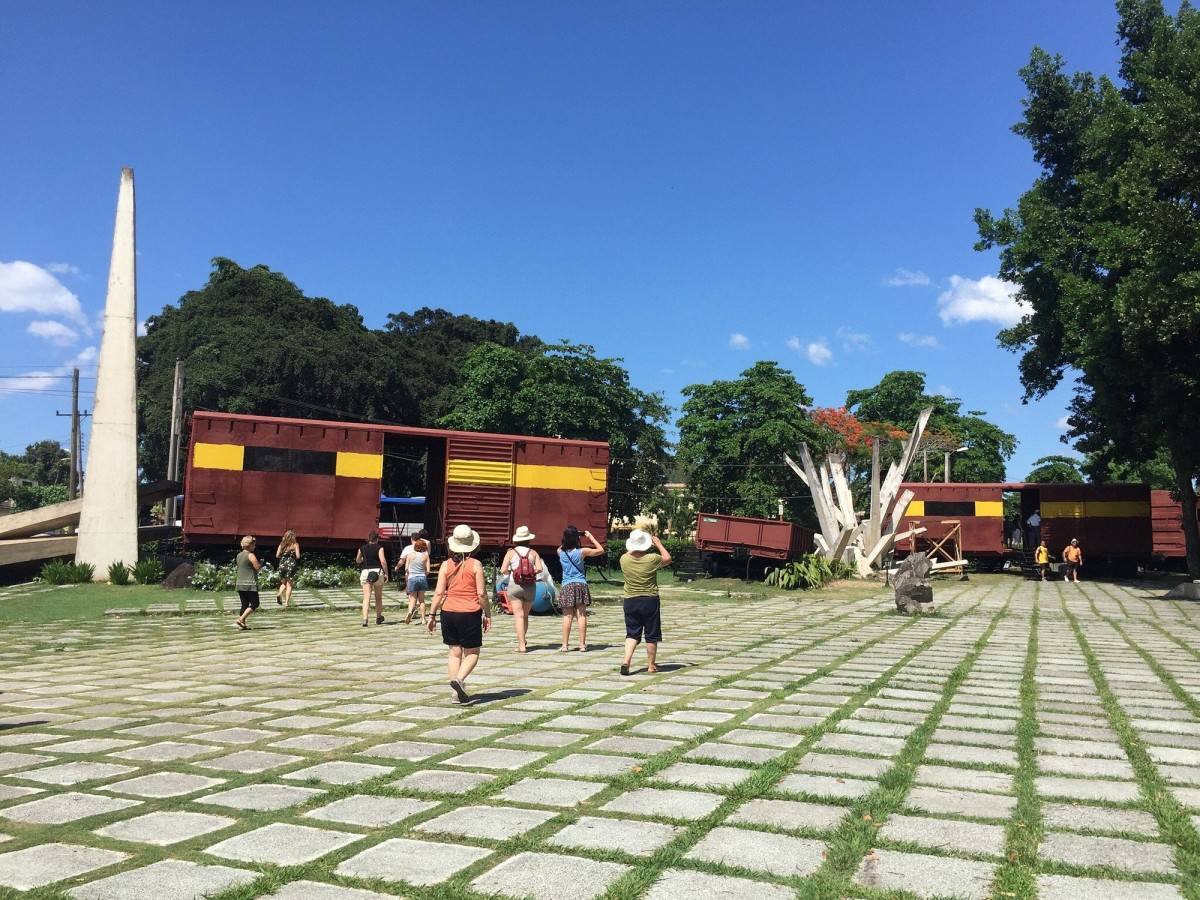
If you know anything about the history of the Cuban Revolution, you will be aware that the “Armored Train Incident” played a crucial role in the Battle of Santa Clara in December 1958. At the time, Che Guevara led the 26th of July Movement guerrillas in intercepting and capturing the armored train sent by the Batista regime, breaking through its key defensive line in the central region and accelerating the collapse of the Havana regime.
Advertisement
The train consisted of 18 carriages, loaded with soldiers, weapons, and supplies, and was crucial to the government army's control of the central region. Che learned through intelligence that the train would pass through Santa Clara and cleverly planned an attack: they dismantled the tracks, created obstacles to prevent the train from moving forward, and then launched an assault using gasoline bombs and small explosives. The battle lasted only a few hours, with the government army surrendering and the revolutionary forces achieving a decisive victory.
This victory was not only a military breakthrough but also a symbolic turning point. It marked the complete collapse of the old regime both psychologically and strategically. Today, the Monumento al Tren Blindado stands on the original site of this historic event, serving as one of the most famous memorials to Che Guevara's military achievements.
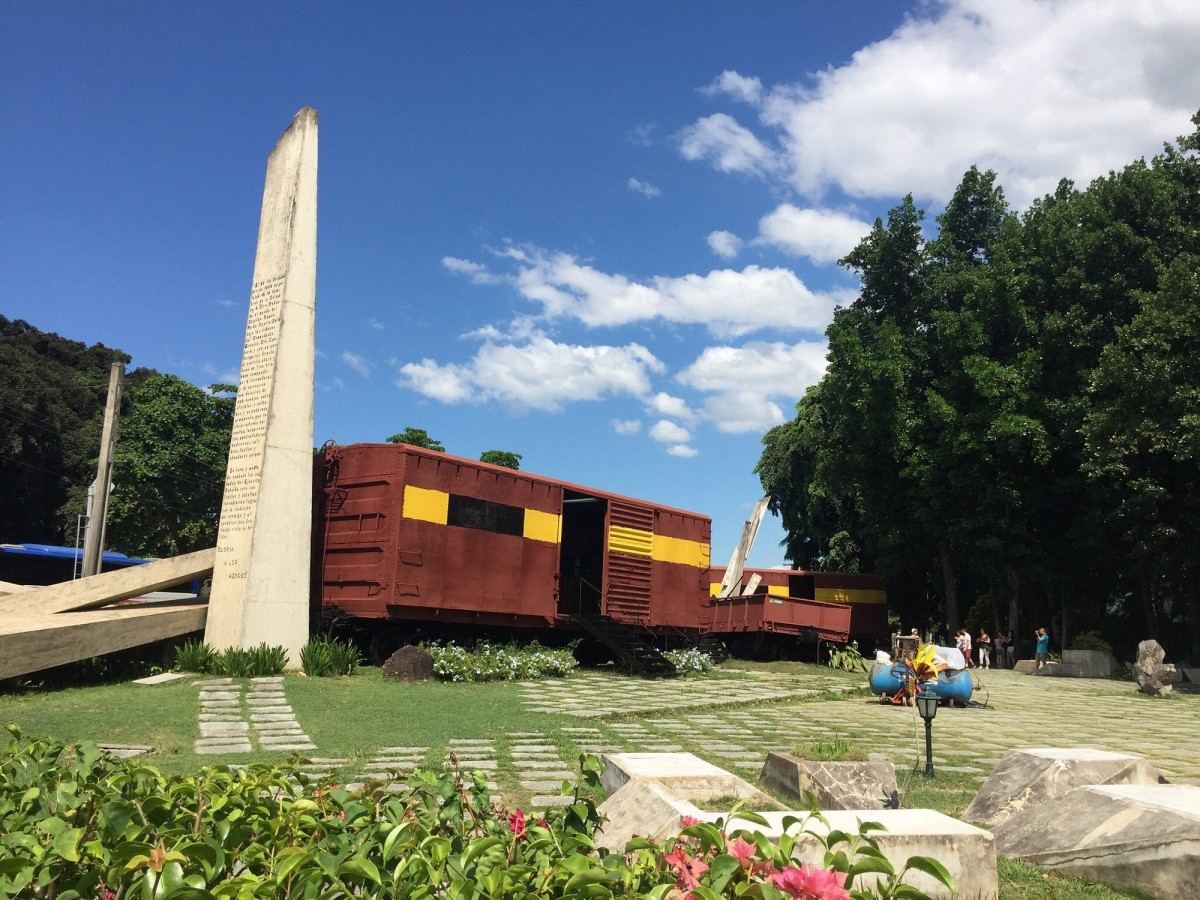
The Monumento al Tren Blindado is not a traditional museum; its charm lies in its “recreation” of the original scene. The entire site largely retains the original battle environment:
Advertisement
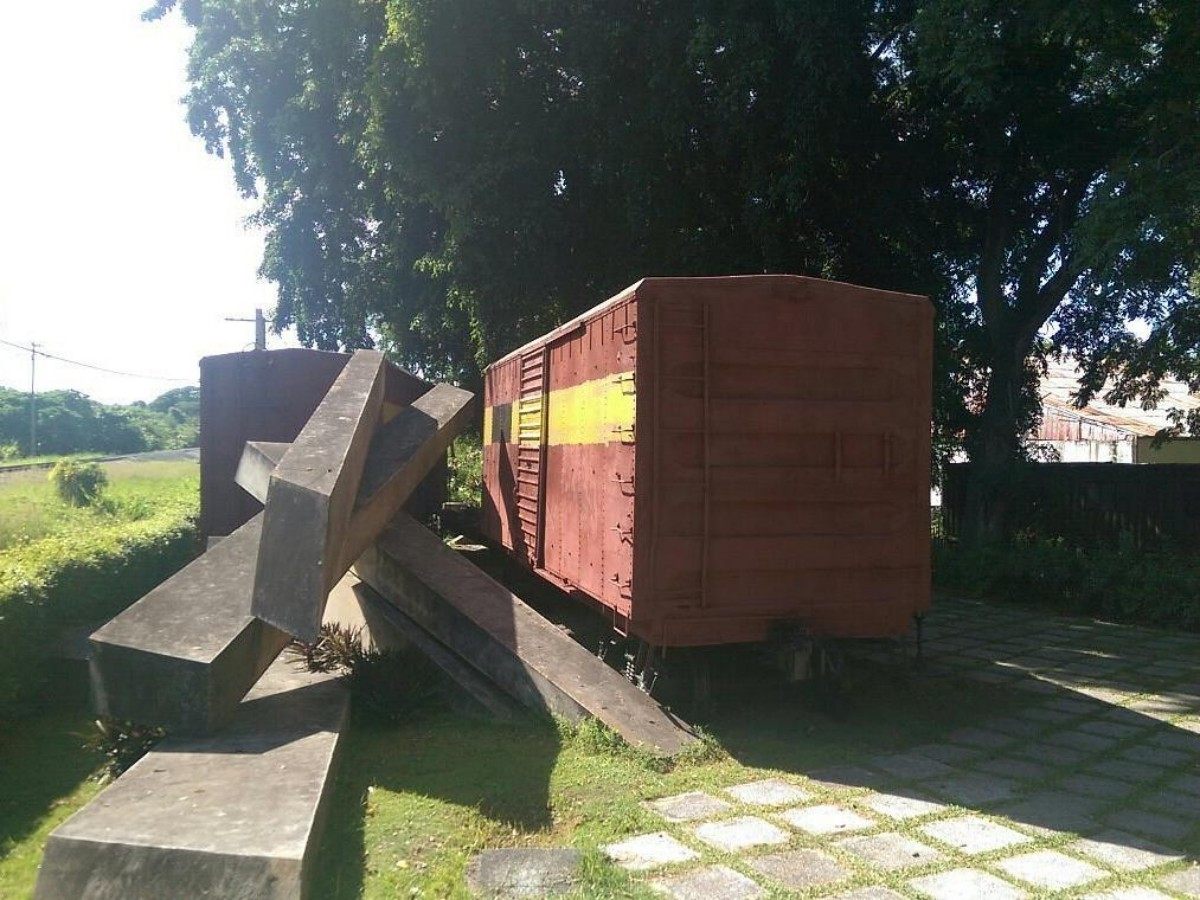
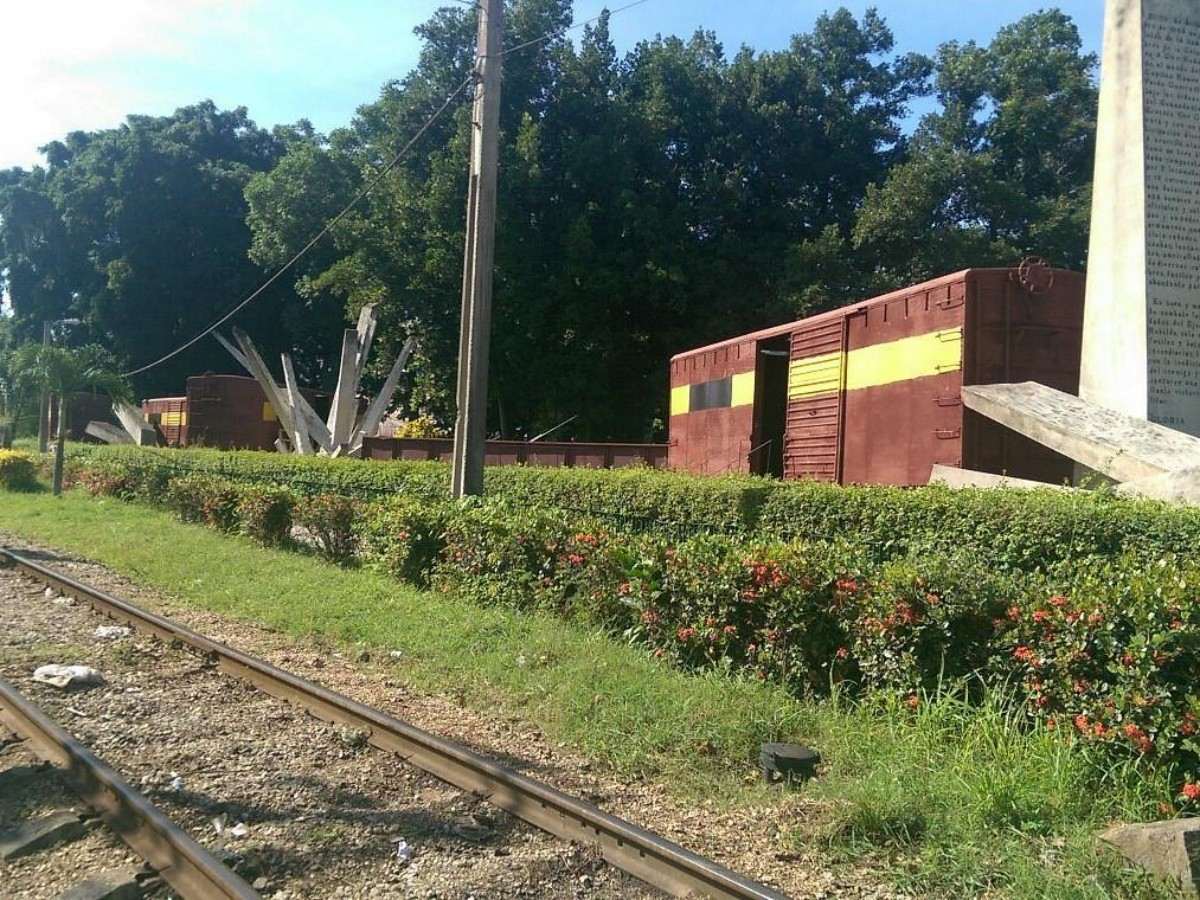
Railway Remnants: The old railway tracks are still embedded in the grass, and you can walk on them to feel the authenticity of history.
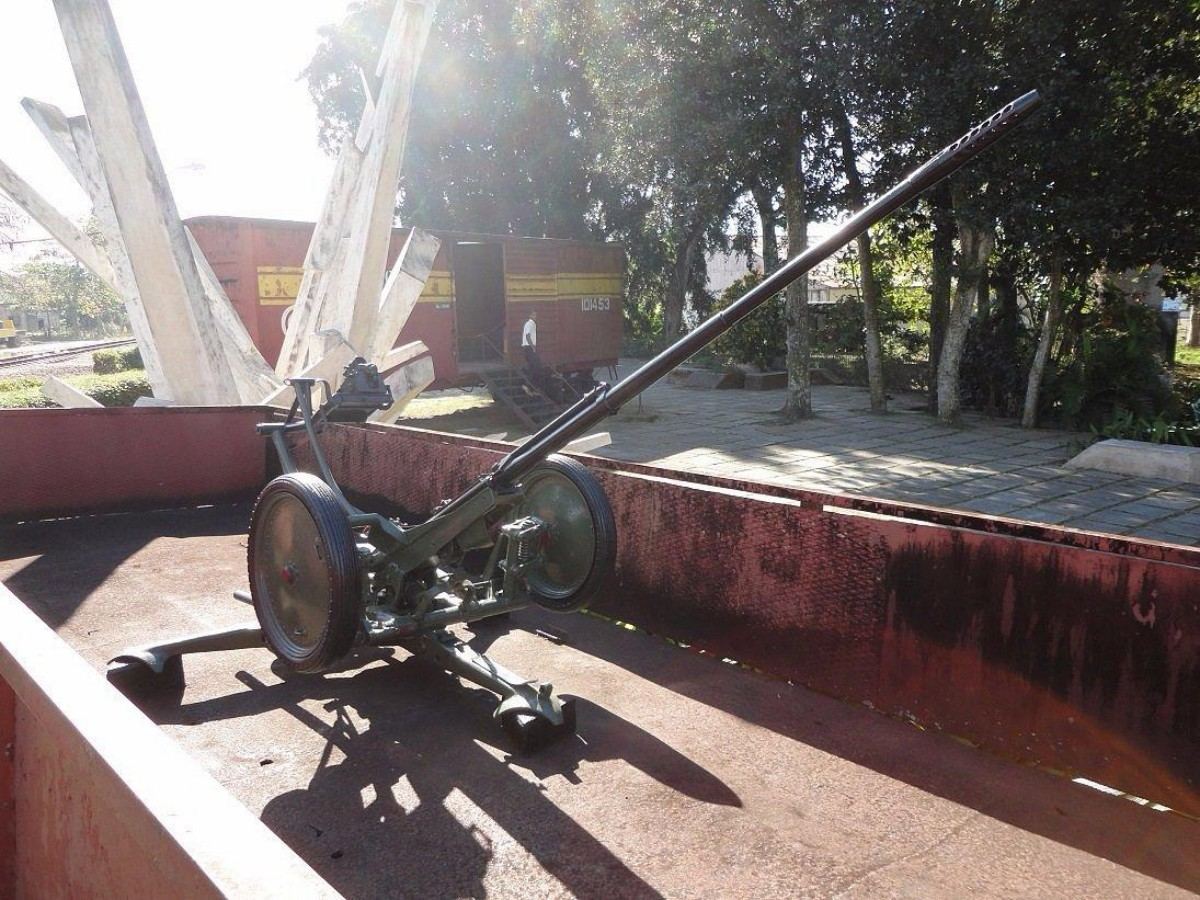
Train Cars: Four original train cars have been preserved, with their interiors restored for viewing. You can see the bullet holes from that time, replicas of military supplies, and even stand where the soldiers once stood.
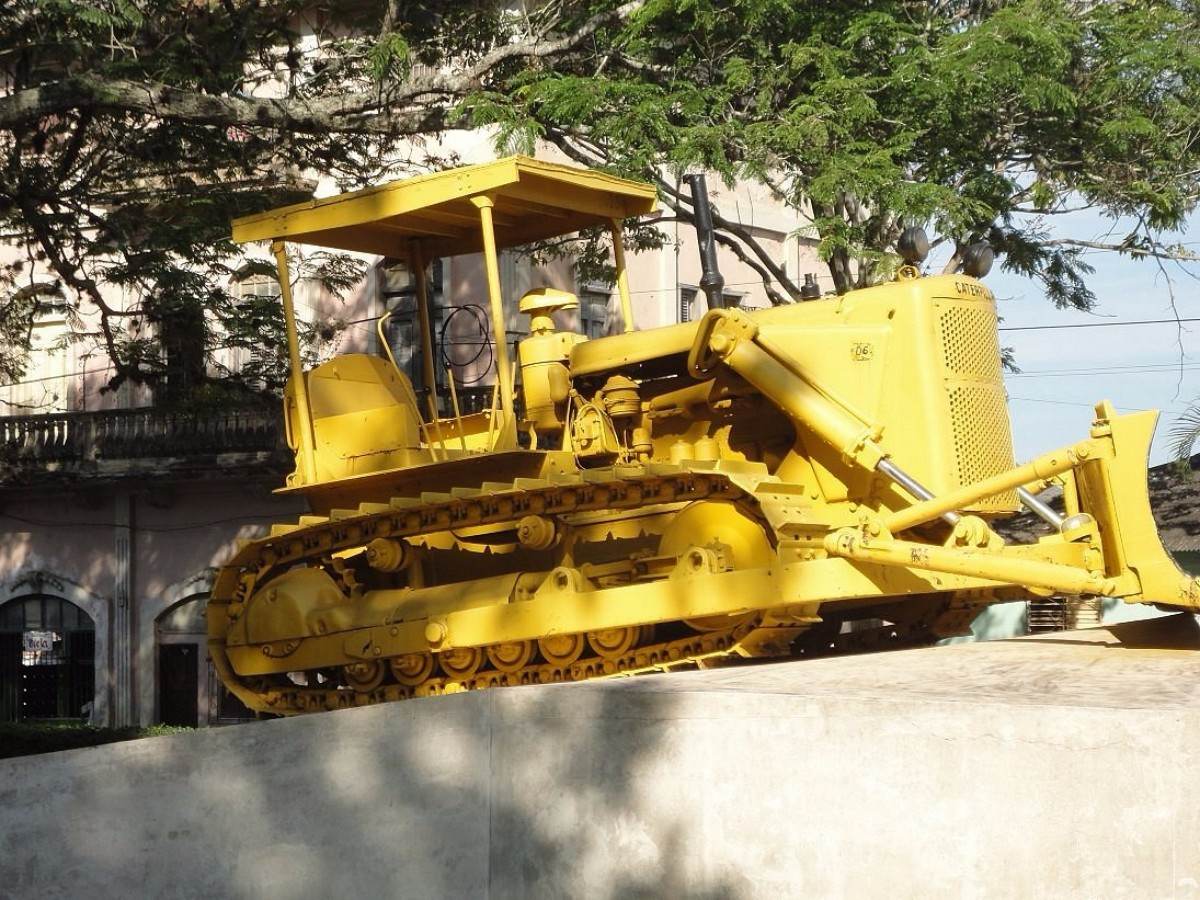
Sculpture installation: The most striking feature is the metal sculpture installation created by artist José Delarra—an explosive imagery composed of excavator buckets, symbolizing the moment when Che overturned the train with a construction bulldozer, exuding a powerful sense of force.
Information boards and explanatory panels: The site is equipped with bilingual English and Spanish explanatory panels, providing background information on the event, its figures, tactics, and impact, suitable for browsing during self-guided tours.
Memorial Wall and Time Corridor: Along the path, there is a photo wall displaying black-and-white images of revolutionary fighters and related documents, providing an important supplement to understanding the events.
Although the entire memorial area is not large, every step is filled with details and symbolism. Even if you are not well-versed in history, you can naturally be transported back to the turbulent year of 1958 through the visual and spatial layout.
Opening Hours: Open daily from 9:00 AM to 5:00 PM, no reservation required.
Admission Fees: Approximately 2 to 4 CUP, subject to seasonal adjustments; tickets can be purchased on-site.
Photography Policy: Photography is permitted of the exterior and certain interior scenes of the carriages; please disable flash and respect the exhibition area’s arrangements.
Guided Tours: Most visitors opt for self-guided tours, but local guides are available for brief explanations (primarily in Spanish). For those seeking a deeper understanding of the details, it is recommended to contact a travel agency in advance to arrange a guided tour.
Visit Duration: It is recommended to allocate 45 minutes to 1 hour for the visit. Combining it with a tour of the Che Guevara Mausoleum creates the optimal “Revolutionary Day Tour” itinerary.
Best Time to Visit: Before 10 a.m. or after 4 p.m. when the light is soft and suitable for photography; midday sunlight is intense, and there is no shade on the premises, so be sure to apply sunscreen.
Transportation: The Monumento al Tren Blindado is approximately a 20-minute walk from the center of Santa Clara (Parque Vidal) and can be reached by tricycle (typically costing 2 CUP). If you are staying at a hotel in the city center, it is recommended to walk there, as there are many old streets worth exploring along the way.
Visiting Santa Clara is not just about seeing one attraction. Due to the city's compact size and concentration of revolutionary sites, it is easy to arrange an “immersive red route”:
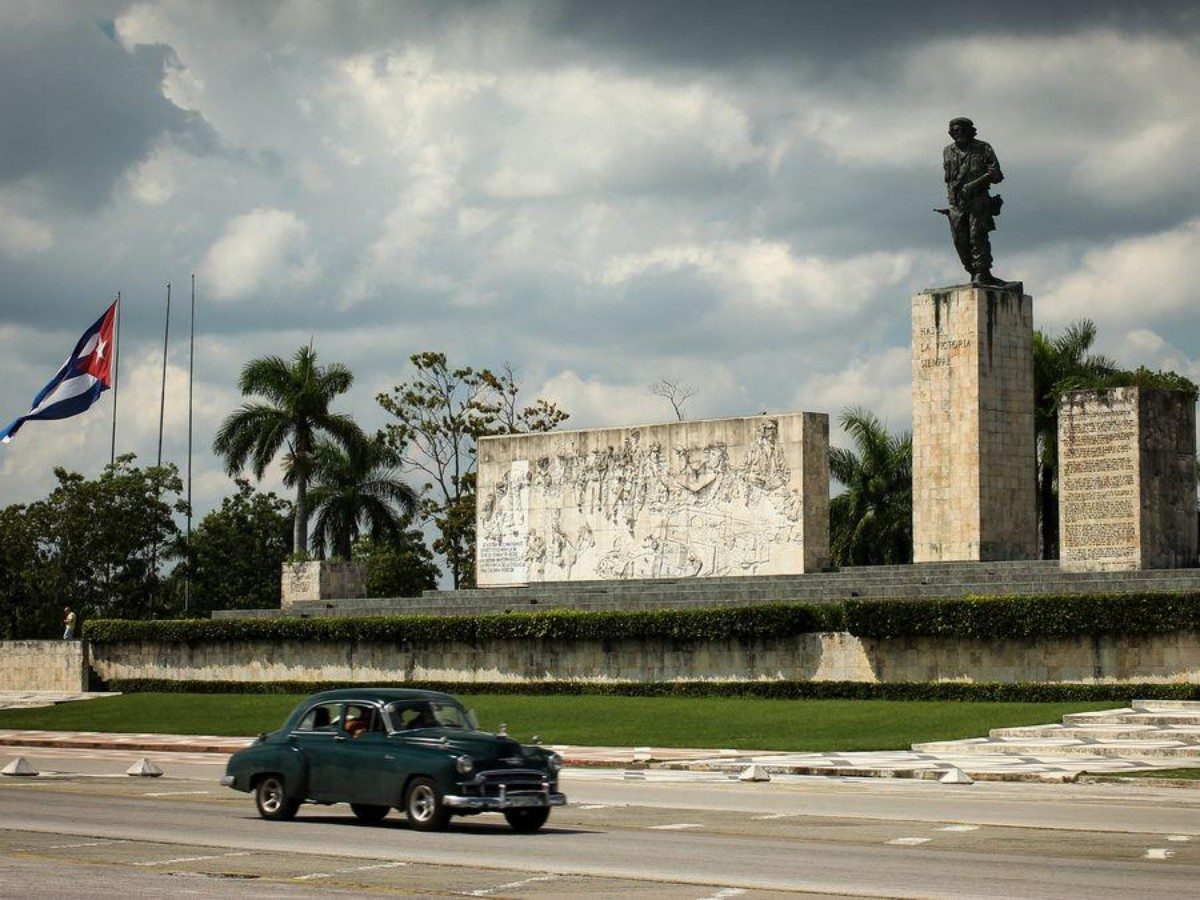
Che Guevara Mausoleum: After visiting the Armored Train, you can take a short ride to the mausoleum, which is only a 10-minute journey. It is strongly recommended to include this in your day's itinerary.
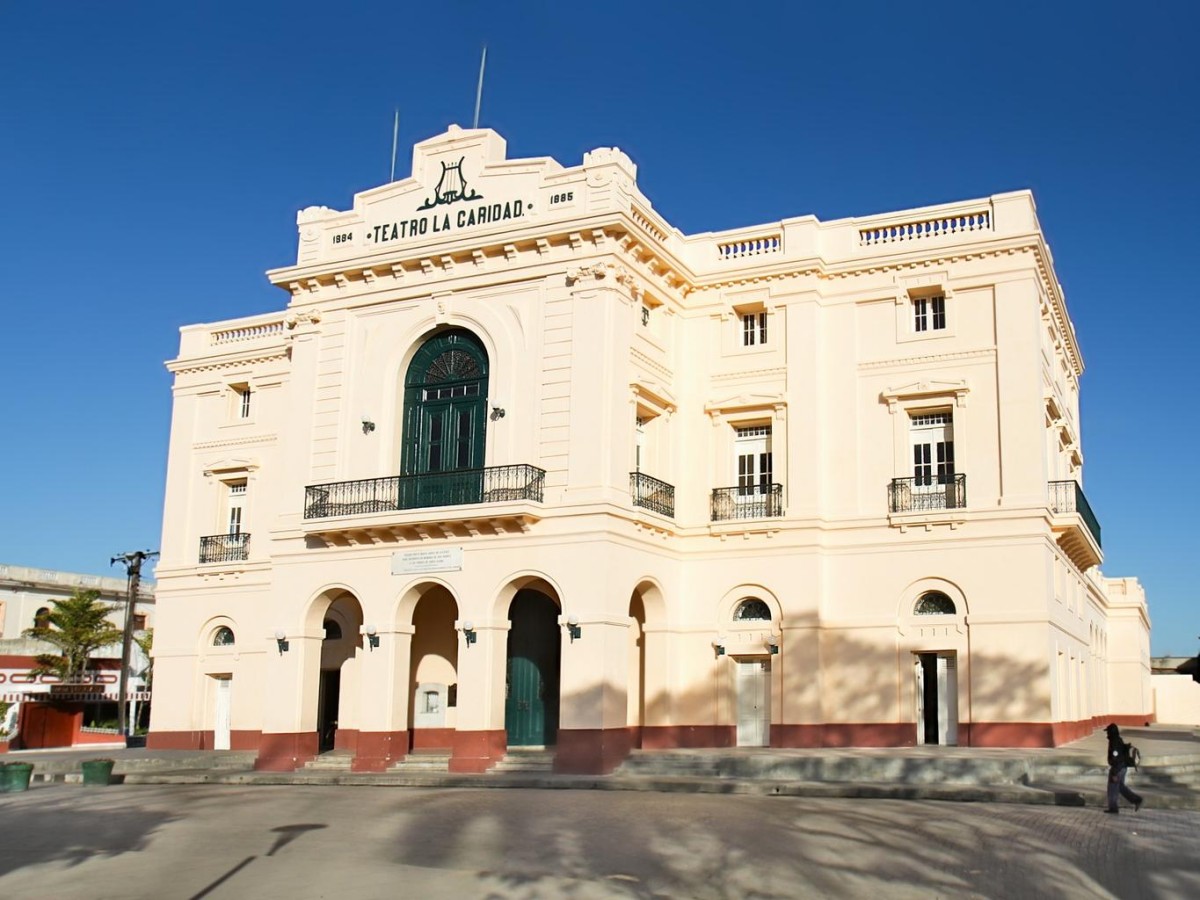
Parque Vidal: The heart of Santa Clara, featuring an old theater, bookstores, and street performances, making it an ideal spot to relax.
Museo de Artes Decorativas: A niche yet stunning decorative arts museum showcasing the lifestyle of Cuba's upper-class families during the colonial period, enriching the visitor experience.
Street graffiti and revolutionary murals: As you walk through the city center, you'll encounter numerous revolutionary-themed murals and graffiti. Don't forget to look up at the building facades—there are often unexpected surprises.
Language Communication: Unlike Havana, English is not widely spoken in Santa Clara, so some basic Spanish phrases will be very useful, such as “¿Dónde está el tren blindado?” (Where is the armored train?)
Photography Tips: We recommend bringing a wide-angle lens to capture the train’s full panorama. In the evening, the slanting sunlight on the metal train body creates excellent color layers.
Souvenir Shops: There are no official souvenir shops on-site, but nearby streets often have street vendors selling Che-themed T-shirts, stickers, and other souvenirs.
Suitable for: A must-visit for travelers interested in history, military, and social change; family visitors are advised to combine it with other interactive attractions to balance the emotional atmosphere.
Behavioral Etiquette: Although it is an open attraction, the armored train area remains a “battlefield memorial” in the hearts of locals. Please avoid loud noise or climbing on facilities.
Standing on the tracks at the Monumento al Tren Blindado for a moment, a quiet yet powerful emotion arose in my mind. Not heroic, but pragmatic—a guerrilla-style, grassroots revolutionary philosophy: using whatever resources are at hand to drive unimaginable change. This dilapidated train, once a symbol of oppression, became a symbol of victory. And Santa Clara, too, became a turning point in history because of this train.